California CCW FAQ
For those seeking detailed insights, our California CCW FAQ covers everything from application processes to eligibility requirements.
Quick answers for Fresno, Madera, Merced, Kings & Tulare — plus Non-Resident options.
SB2-compliant training, live-fire qualification, renewals, county policies, and real-world carry questions — all in one place.
California CCW FAQ: Your Questions Answered
In our California CCW FAQ section, we address common concerns regarding safety and legal transport.
(Online, In-Person, Live-Fire)
Yes. Complete all required classroom instruction online at your own pace (phone, tablet, or laptop). It auto-saves progress and includes lessons, quizzes, and a final exam.
Yes — the curriculum aligns with California SB2 requirements and county standards we serve.
No in-person classroom time is needed. After finishing the online portion, you schedule your live-fire qualification with our instructor (or a local instructor for non-residents).
When you complete the online course you’ll receive an email with a scheduling link showing current range dates/times.
Bring eye/ear protection and 50 rounds for up to 3 firearms. If you’re qualifying with 4–6 firearms, bring 100 rounds total. Typical distances include 10, 7, and 3 yards; you’ll need 36 hits on target to pass.
Yes. California requires you to demonstrate safe handling and shooting proficiency with each firearm you want authorized on your CCW. Your issuing agency establishes its live-fire requirements, including the course of fire, distances and minimum passing score.
For California residents, firearms listed on the application must be recorded to the applicant with the California Department of Justice.
California law prohibits a CCW holder from carrying more than two firearms under their control at one time while carrying under the authority of the license.
This is different from how many firearms your issuing agency may allow you to list on your permit.
If you want hands-on coaching, dry-fire drills, and extended Q&A, we also offer an 8-hour in-person class (plus 8 hours online). Content coverage is equivalent; it’s about learning style and comfort.
Whether you are new to firearm ownership or looking to reinforce your existing knowledge, this curriculum provides a practical and legally informed education rooted in real-world application. The courses emphasize safe handling, confident operation, and compliance with state and federal regulations – empowering participants to train, carry, transport, store, and use firearms responsibly. Upon completion, students will have the knowledge base necessary to own and operate firearms with confidence, competence, and accountability.
Counties, Eligibility & Non-Resident Options
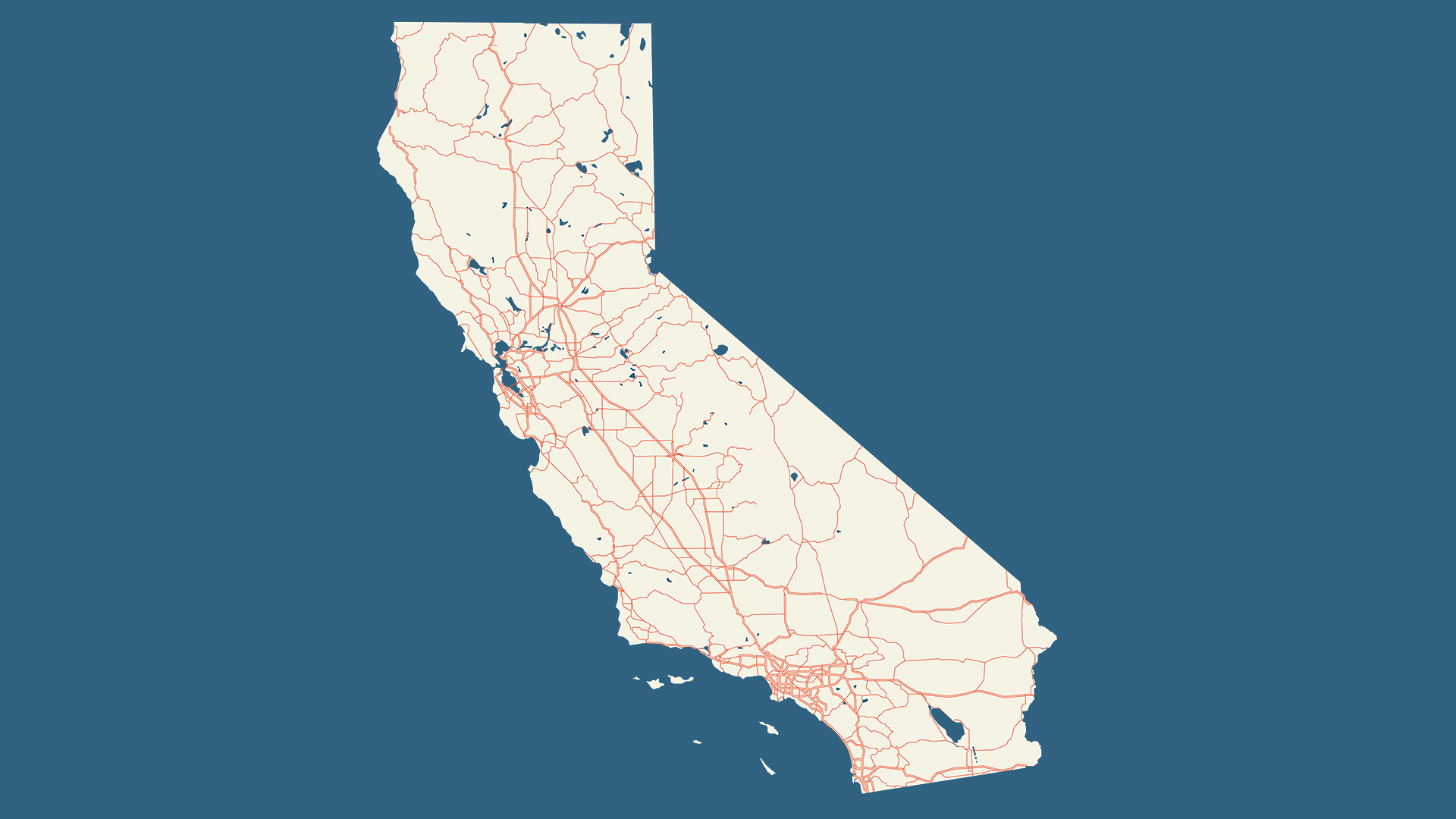
Explore our California CCW FAQ for information on non-resident options and county-specific regulations.
Fresno, Madera, Merced, Kings, Tulare, & Plumas County accept our online course. Always confirm current policy on the Sheriff’s website.
Yes. Qualified non-California residents can apply for a California CCW.
A nonresident applicant must meet California’s eligibility and training requirements and attest under oath that the jurisdiction where they apply is the primary location in California where they intend to travel or spend time.
559CCW offers a 16-hour Online Non-Resident California CCW Course for qualifying applicants.
Not simply because a county accepts nonresident applications. A nonresident must attest under oath that the jurisdiction where they apply is the primary location in California where they intend to travel or spend time.
Always verify the issuing agency’s current application requirements before applying.
Yes, under certain circumstances. The revised California CCW application provides that if the licensing authority where a nonresident applies has not approved an online training course, the applicant may complete an online course approved by another California licensing authority that issues CCW licenses under Penal Code sections 26150 or 26155.
Always verify current acceptance requirements with your issuing agency.
Potentially, but confirm approval before completing the qualification.
The nonresident applicant must tell the California licensing authority which live-fire course they intend to complete. The licensing authority must either approve that course or suggest an acceptable alternative within 75 miles of the applicant’s residence.
Yes. A California CCW is valid statewide. (Administrative rules like disclosure policies can vary by issuing agency — see “Legal & Travel.”)
Yes — California permits are valid in 28 other states. Always check each destination state’s current carry/transport laws before you go.
Applications, Interview, Renewal & Modifications
Our California CCW FAQ also includes detailed information on renewal processes and modifications.
- Apply with the appropriate licensing authority and follow its application process.
- Complete the required CCW training and live-fire qualification.
- Complete the required background investigation, including applicable interviews and character references.
- Complete any additional requirements established by your licensing authority.
- Upon approval, complete final requirements and receive your permit.
Important: Procedures and timing can vary by issuing agency.
For a new CCW application, the licensing authority’s investigation includes an in-person or virtual interview with the applicant. Be prepared to review and clarify the information on your application.
Always be truthful and complete. You have a duty to inform the investigator if your answers change during the application process.
Yes. New applicants must provide three character references.
If applicable, one must be a spouse or former spouse, cohabitant or former cohabitant, fiancé, current or former dating partner, or the other parent of your child. If you currently have a cohabitant, at least one reference must be that person.
For a new application, the licensing authority’s investigation includes reviewing your application, interviewing you and your character references, reviewing publicly available information, reviewing information provided by the California DOJ, and checking California restraining and protective-order information.
For a new application, interviews with at least three character references are part of the required investigation.
For a renewal, the licensing authority may choose to forgo the applicant and character-reference interviews.
Timelines vary by county, but many Central Valley applicants report around 45–60 days, with some as quick as ~30 days.
If you fail to submit your renewal application within 90 days after your license expires, California requires fingerprints to be resubmitted as part of the process.
Don’t wait until your permit expires. Follow your issuing agency’s renewal timeline.
For most standard California CCW holders, permits are currently valid for two years.
Beginning January 1, 2027, California will generally extend the standard CCW license term from two years to three years.
Always follow the expiration date printed on your permit and your issuing agency’s renewal procedures. Your own current article already explains this transition correctly.
Renewals require 8 hours of training. Our 100% Online Renewal Course is self-paced, mobile-friendly, and provides your renewal certificate upon completion. (Online Renewal Course only valid in Fresno, Madera, Merced, Kings, Tulare, & Plumas County)
Yes — we typically send email reminders around 3 months prior to your renewal window.
Qualify with the additional firearm (same course of fire), then we issue an add-on certificate for your Sheriff modification request.
Our training certificate does not expire on our end. That said, some agencies prefer recent training — always check your issuing Sheriff’s current policy.
No. If you move counties, you must apply with your new county’s Sheriff and complete their full process.
Safety, Legal, Transport & Travel
Check our California CCW FAQ to understand transport laws and travel guidelines.
State law doesn’t mandate disclosure statewide. Some Sheriffs do require you to disclose if an officer makes personal contact. Know your issuing agency’s policy and follow it.
When carrying under your CCW, you must carry your license on your person. California law also prohibits refusing to display the license or provide the firearm to a peace officer upon demand for purposes of inspecting the firearm.
This is separate from whether your issuing agency requires you to proactively notify an officer that you are carrying.
No. A CCW holder may not carry in a place whose primary purpose is dispensing alcoholic beverages for consumption on the premises.
California prohibits carrying under the authority of a CCW while under the influence of medication.
If medication impairs your judgment, awareness, coordination or ability to safely handle a firearm, do not carry.
No. While carrying under the authority of your CCW, you may not consume an alcoholic beverage or specified controlled substance.
You also may not carry while under the influence of alcohol, medication or a controlled substance.
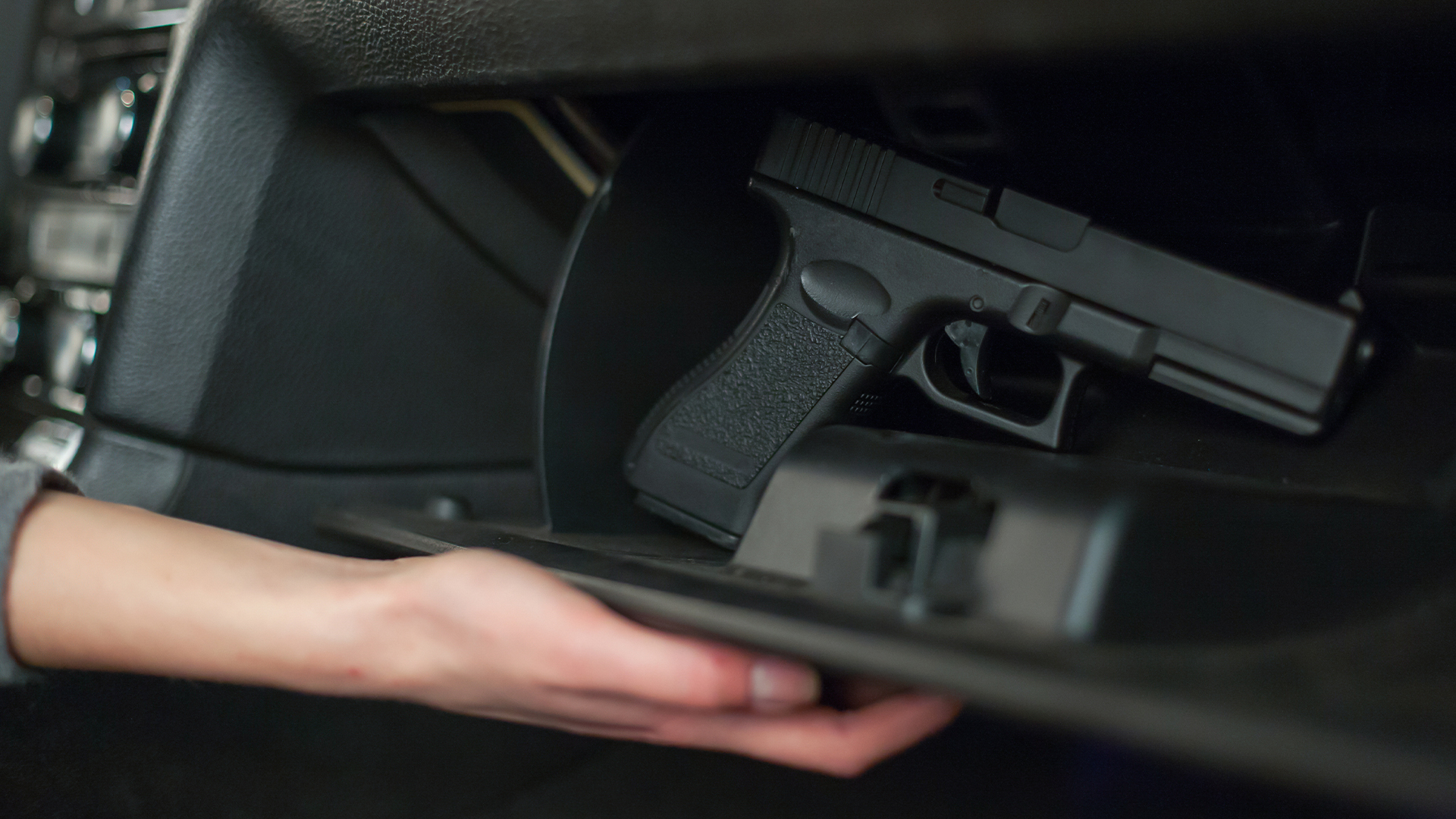
When leaving a handgun in an unattended vehicle, California law generally requires it to be secured in the vehicle’s trunk, in a locked container placed out of plain view, in an out-of-view locked container permanently affixed to the vehicle, or in a qualifying locked toolbox or utility box.
Always follow current California storage and transportation laws.
Your California CCW is valid in 28 states, but laws differ widely. Verify possession, transport, and carry rules (and any “gun-free” locations) before you cross state lines.
Before exiting your vehicle, unload, lock the firearm in a secure container, and separate ammo. Comply with posted rules and local law.
Policies can differ by issuing agency. Many California counties allow optics during qualification and carry. Check your Sheriff’s current policy if unsure.
Avoid risky situations whenever possible; Escape if danger develops; Defend only if you face imminent threat and have no safe alternative. It’s a mindset that keeps you safe and within the law.
Disqualifications
The California CCW FAQ section highlights critical disqualifications for applicants.
Yes. Knowingly providing inaccurate or incomplete information can result in denial of your application or revocation of an issued license. Knowingly making certain false statements on a CCW application may also result in criminal penalties.
Answer every question completely and truthfully.
Yes. Patterns such as a suspended driver’s license, frequent traffic citations, or repeated civil issues may be seen as signs of irresponsibility and can lead to denial.
Yes. California has specific CCW disqualifications involving certain convictions, charges, restraining orders, firearm-related conduct, controlled substances and other circumstances.
The applicable time periods and requirements depend on the particular situation. 559CCW does not determine an applicant’s legal eligibility. If you are unsure whether something in your history affects you, contact your issuing agency or a qualified California attorney.
Yes. A history of domestic disturbances or similar behavioral concerns can be considered by the Sheriff’s Office.
Yes. Failing the live-fire qualification, not completing the required 16 hours of training, or failing to submit correct documentation on time can all result in denial.
For a California resident, firearms listed on the CCW application must be lawfully possessed and recorded to the applicant with the California Department of Justice.
Different provisions apply to qualifying non-California residents. Always follow your issuing agency’s requirements.
For California residents, applicants generally apply based on residence or qualifying employment/business requirements.
Non-California residents have a different rule: they must attest under oath that the jurisdiction where they apply is the primary location in California where they intend to travel or spend time.
The California CCW application asks applicants about criminal charges, including charges that were dismissed, as well as arrests and detentions.
Do not leave information off your application because you believe it doesn’t matter. Answer the questions completely and truthfully.
No. Completing your training and live-fire qualification satisfies the training portion of the CCW process. It does not guarantee that your permit will be issued.
Your licensing authority and the California Department of Justice determine whether you meet the eligibility requirements.
No. 559CCW provides California CCW training and live-fire qualification. We do not determine whether an applicant is legally eligible to receive a CCW.
If you have a criminal-history, restraining-order, mental-health, substance-related or other issue that may affect your eligibility, contact your issuing agency or a qualified attorney.

After Your permit is issued
Certain events must be reported to your licensing authority. A CCW may be revoked if the license holder fails to inform the licensing authority of a qualifying restraining order, arrest, charge or conviction referenced under California law.
If something happens that may affect your eligibility, contact your issuing agency promptly.
Yes. A CCW can be revoked if the holder becomes prohibited or otherwise disqualified, knowingly provided inaccurate or incomplete information, violates permit restrictions or conditions, or fails to make certain required disclosures.
Generally, no. A California CCW holder must carry firearms authorized under the license, subject to limited statutory exceptions.
If you want to add or change a firearm, follow your issuing agency’s modification process before carrying it under your CCW.
559CCW provides California CCW training and general educational information. 559CCW does not determine an applicant’s eligibility for a CCW and does not provide individual legal advice. California laws and issuing-agency policies can change. Always verify current requirements with your licensing authority.