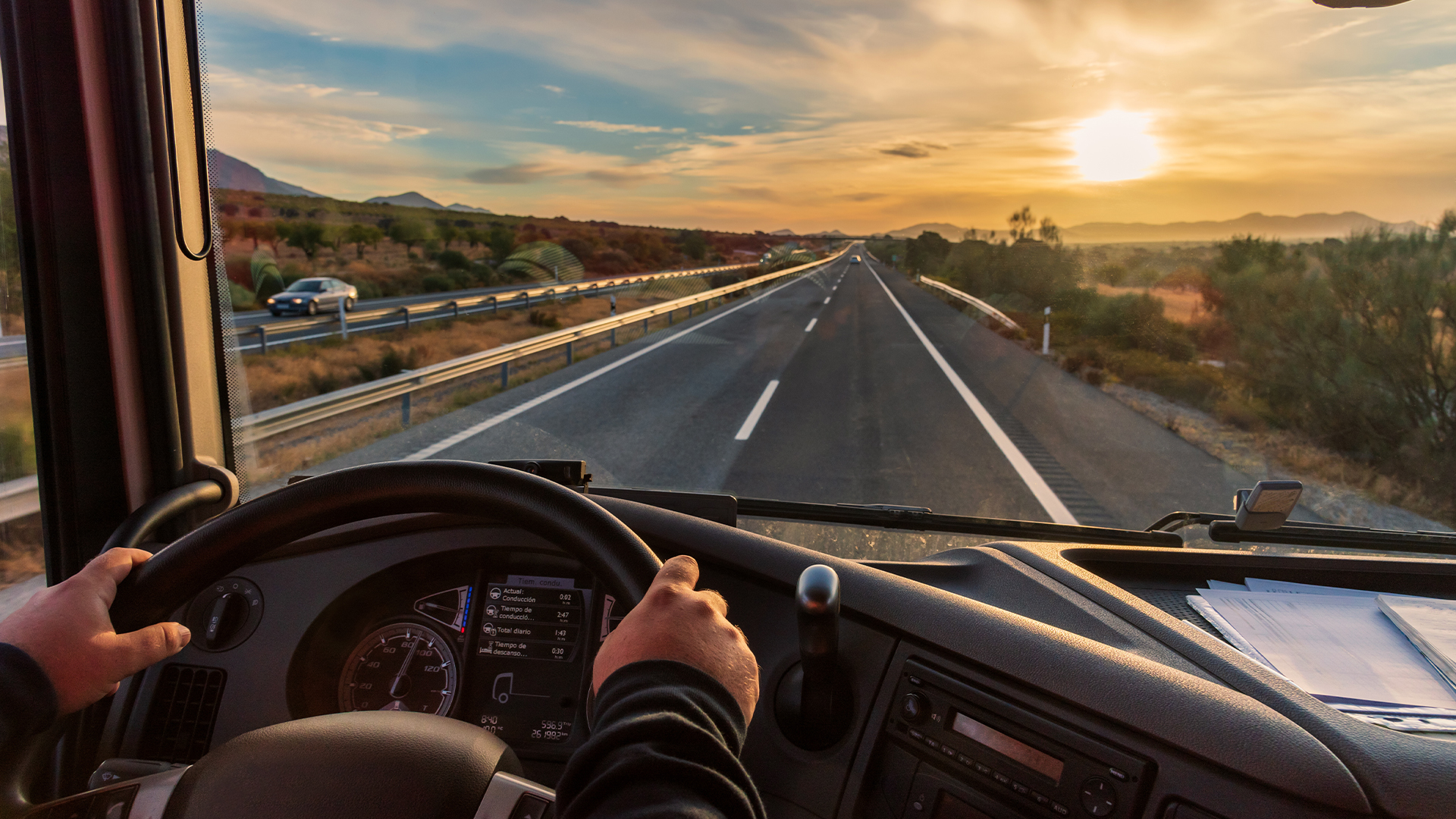
Truckers, Commuters & Concealed Carry: Safety Challenges On the Go
Carrying a firearm while you spend hours on the road brings a unique mix of risks and responsibilities. Whether you drive a semi across California or commute daily through the Central Valley, understanding how to stay legal, safe, and prepared can make all the difference.
This is general education, not legal advice. Laws change, and every route may cross different jurisdictions. Always confirm current California firearm transport and carry laws before traveling.
The Reality of Carrying on the Road
Truckers and commuters spend more time in unpredictable environments—highways, rest stops, parking lots, and delivery zones—than almost anyone else. Each of these places carries its own challenges: fatigue, theft, unpredictable encounters, and security rules that can shift depending on property ownership.
Carrying concealed legally means staying aware of both your environment and the patchwork of local regulations that may apply as you move from one area to another.
Staying Legal: Know Where You Can and Can’t Carry
California law limits where firearms can be carried—even with a CCW permit. “Sensitive places” like post offices, federal facilities, schools, and certain private properties can be off-limits. Many truck stops and warehouses are privately owned and may post firearm restrictions.
Keep these basics in mind:
Always verify property policies before entering restricted zones.
If you must leave your vehicle, secure your firearm in a locked container (not the glove box) that’s hidden from view.
If traveling beyond county lines, review each county’s enforcement approach—especially in urban areas where security checks are more common.
Storing Securely in Your Vehicle
For both short and long trips, a good vehicle lockbox is essential. Choose one that bolts down or cables to the seat frame. The firearm should remain unloaded and locked when not in your immediate control.
Keep ammunition in a separate container or box, and avoid leaving your firearm in the vehicle overnight when possible.
Quick storage checklist:
Vehicle-rated lockbox with steel cable or mounting plate
Soft cover or towel to conceal it
Backup lock or combination device in case one fails
Situational Awareness: Your Best Line of Defense
Fatigue and routine are two of the biggest threats on the road. Truckers often stop in unfamiliar places late at night; commuters may get comfortable with daily routes and overlook warning signs.
Train yourself to spot changes in your environment early:
Park under lighting and near cameras when possible.
Check mirrors and surroundings before exiting the cab or car.
Walk with purpose—avoid distractions like texting or wearing both earbuds.
Trust your instincts; if something feels off, move to a safer location.
A calm, observant approach can often prevent problems long before you’d ever need to touch your firearm.
Preparing for Interactions on the Road
Traffic stops, weigh stations, and checkpoint inspections all carry one rule: stay professional and calm.
If you’re legally carrying, understand your duty (or lack thereof) to inform an officer during a stop. California doesn’t require proactive disclosure (However, there are localities that have duty to inform requirements), but if asked, be straightforward and polite. Keep your hands visible, and never reach toward the firearm while explaining.
Keep your permit accessible but separate from your firearm to avoid confusion.
Mindset: Responsibility Over Reaction
Defensive carry isn’t about being ready to use force—it’s about being ready to avoid it whenever possible.
Truckers and commuters often deal with frustration, close calls, or road rage. Training helps you manage those moments with composure and judgment, not emotion. The goal is always to go home safe, not to “win” an argument.
Train the Right Way With 559CCW
Real-world carry situations—especially for people on the road—require calm thinking, safe habits, and consistent training.
Complete the classroom portion 100% online (self-paced, auto-saves progress, works on phone/tablet/laptop) in Fresno, Madera, Merced, and Kings Counties, then finish with the required live-fire qualification with our instructor.
Prefer in-person? We also train in Fresno, Madera, Merced, Kings, and Tulare Counties.
Ready to prepare the right way?
👉 Enroll today in the 559CCW Online CCW Permit Course
STAY READY ON EVERY ROUTE
-
100% Online & SB2-Compliant
– Complete your California CCW classroom training entirely online -
Perfect for Drivers & Commuters
– Learn on your schedule and pick up right where you left off -
Local & Legal
– Approved for Fresno, Madera, Merced & Kings Counties